How to Tell If You’re Facing a Real DDoS Attack (Not Just a Normal Traffic Spike)
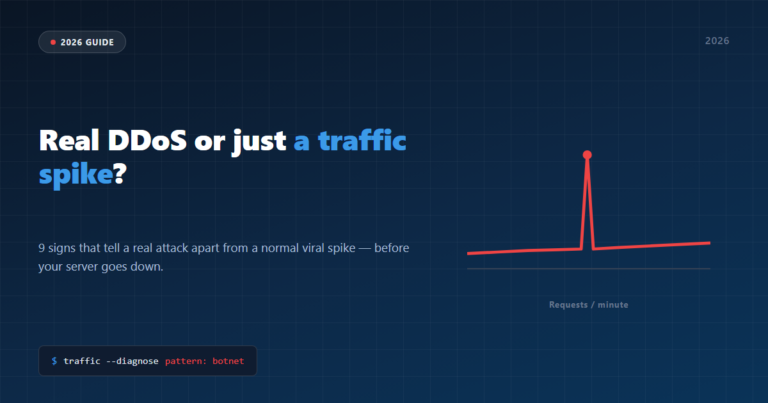
9 signs that tell a real DDoS attack apart from a normal traffic spike — and why blocking IPs one by one won't help when it's the real thing.
Read more →Practical WordPress security guides: malware, brute force, bots, firewall and much more — explained step by step, no filler.
9 signs that tell a real DDoS attack apart from a normal traffic spike — and why blocking IPs one by one won't help when it's the real thing.
Read more →
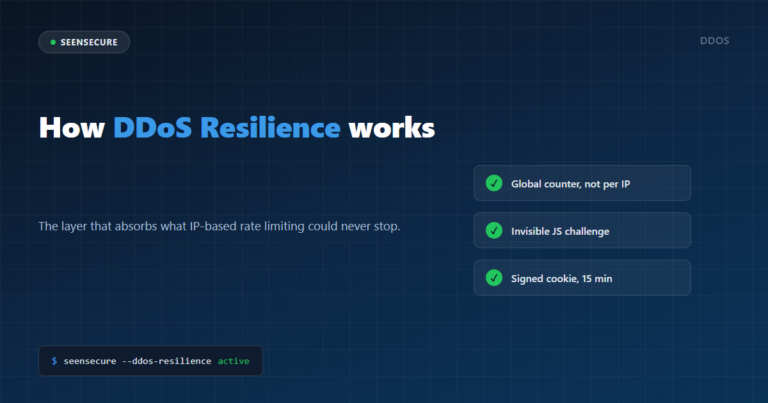
Rate limiting counts requests per IP — useless against a botnet with thousands of IPs. Here's the invisible challenge SeenSecure uses to stop it without touching your real visitors.
Read more →
On October 21, 2016, Twitter, Netflix, and Spotify went down for hours. It wasn't their fault: it was an army of forgotten security cameras and home routers.
Read more →
The real story of Gene Kim, Tripwire, and why comparing a file's fingerprint to yesterday's is still, 34 years later, one of the most reliable ways to detect an intrusion.
Read more →
What File Integrity Monitoring (FIM) really is, why it catches what antivirus can't, and what a FIM solution for WordPress actually needs to have.
Read more →
How SeenSecure's FIM really works: a fingerprint for every file, real-time monitoring, and why you decide what to do with every detected change.
Read more →
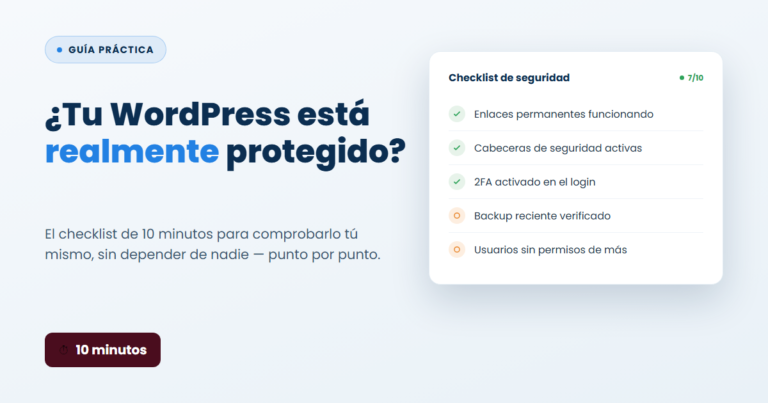
10 things you can check yourself, no technical background needed, to know if your WordPress is really protected.
Read more →
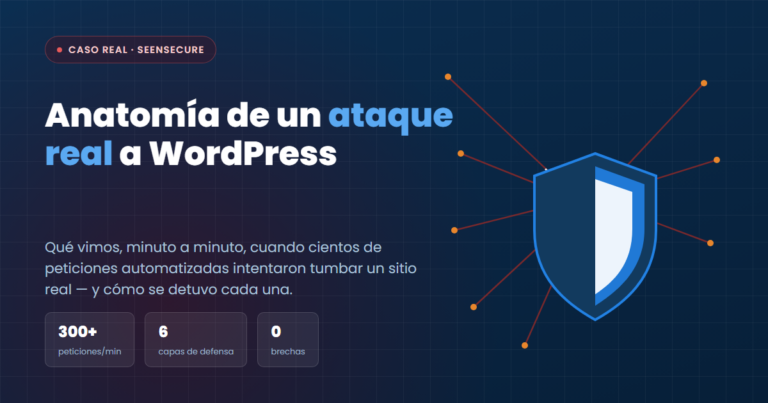
What we saw, layer by layer, when a WordPress site protected by SeenSecure received over 300 requests per minute from a real automated scan.
Read more →
The real story of the 1988 Morris Worm, the first massive cyberattack, and why the same three causes still bring down WordPress sites today.
Read more →
Protecting your WordPress login with CAPTCHA and two-step verification takes less than ten minutes, and once set up you’ll barely...
Read more →
Many security plugins solve login protection with a single, standalone tool: either a CAPTCHA, or two-step verification, with no relationship...
Read more →
81% of hacking-related security breaches are due to stolen, reused, or weak passwords, according to Verizon’s annual Data Breach Investigations...
Read more →